index_product
HOME ENERGY STORAGE SYSTEMS
Hybrid Inverters for Home Energy Storage

One unit, three jobs: charge from solar, store in battery, and manage the grid connection — automatically. Sunohoo hybrid inverters keep your home powered whether the grid is up, down, or you're not connected to it at all.

Get a Custom Quote
hybrid inverter wall-mounted install, home setting

What Is a Hybrid Inverter?

A hybrid inverter combines a solar inverter, a battery charger/discharger, and a grid-tie controller into a single device. Instead of running separate equipment for solar conversion and battery storage, one Sunohoo hybrid inverter handles all three — switching between grid-connected, battery-powered, and off-grid operation as conditions change.

That's what separates a hybrid inverter from a standard grid-tie inverter: it keeps working when the grid goes down, because it can draw on stored battery power and PV generation independently of the utility connection.

Three Operating Modes, One Inverter

Mode What Happens Best For
Grid-Tied Solar power feeds the home first, excess is exported to the grid or stored in the battery Lowering electricity bills, selling excess generation
Battery Backup On grid outage, the inverter switches to stored battery power in as fast as 10ms Keeping critical loads running through outages
Off-Grid Runs entirely on solar and battery, no utility connection required Remote homes, cabins, areas without reliable grid access

Hybrid Inverter Core Features

Dual MPPT Charging
2 MPPT channels, PV input up to 2x rated power for full-power charging and load at once
10ms Transfer Time
Switches to battery power fast enough that connected loads don't drop out
Layered Protection
Anti-islanding, PV reverse-connection alarm, overload, and short-circuit protection built in
Remote Monitoring
RS485/CAN standard, optional WiFi/4G for app-based monitoring and control

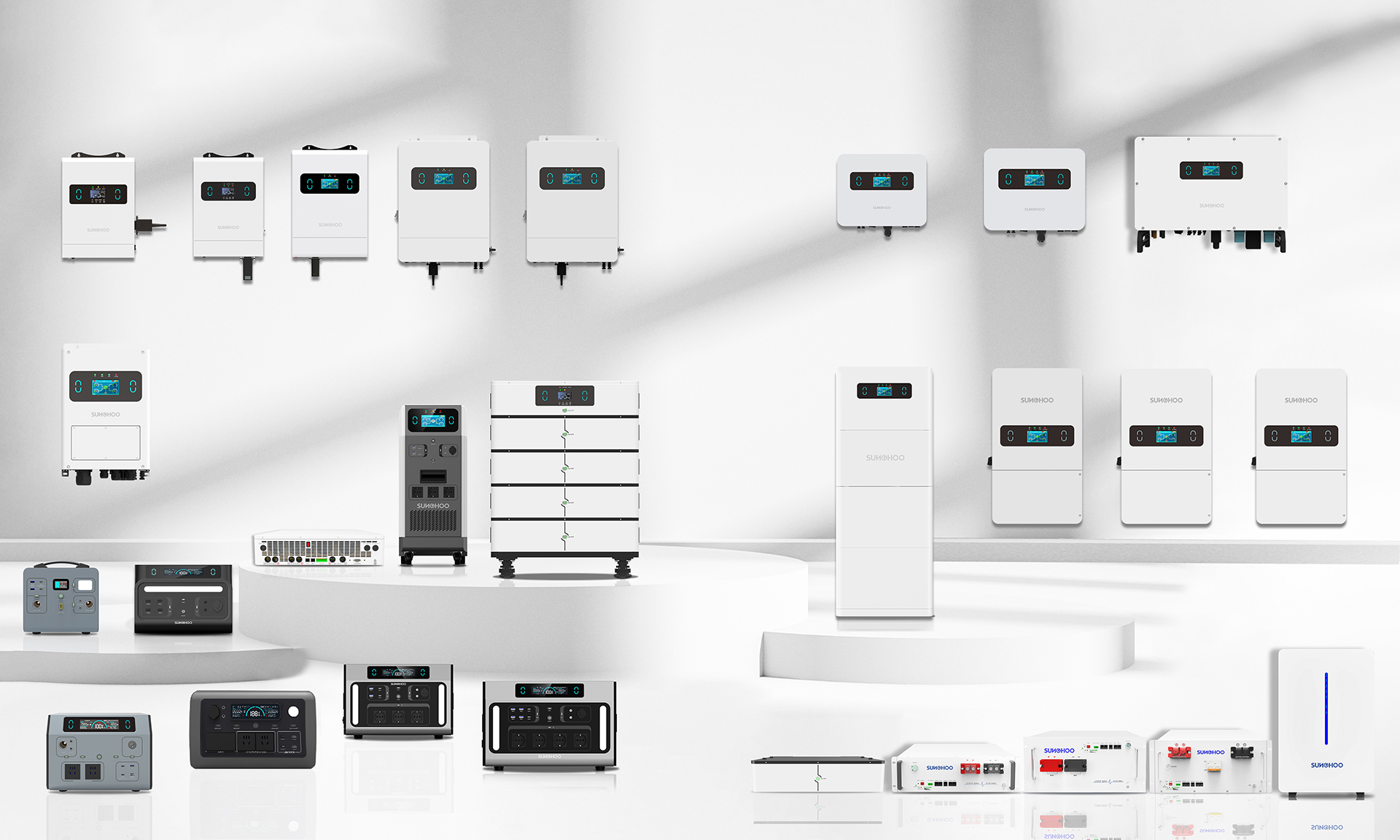
Sunohoo Hybrid Inverter Range

Single-phase, split-phase, and three-phase models — sized for the home electrical service you already have.

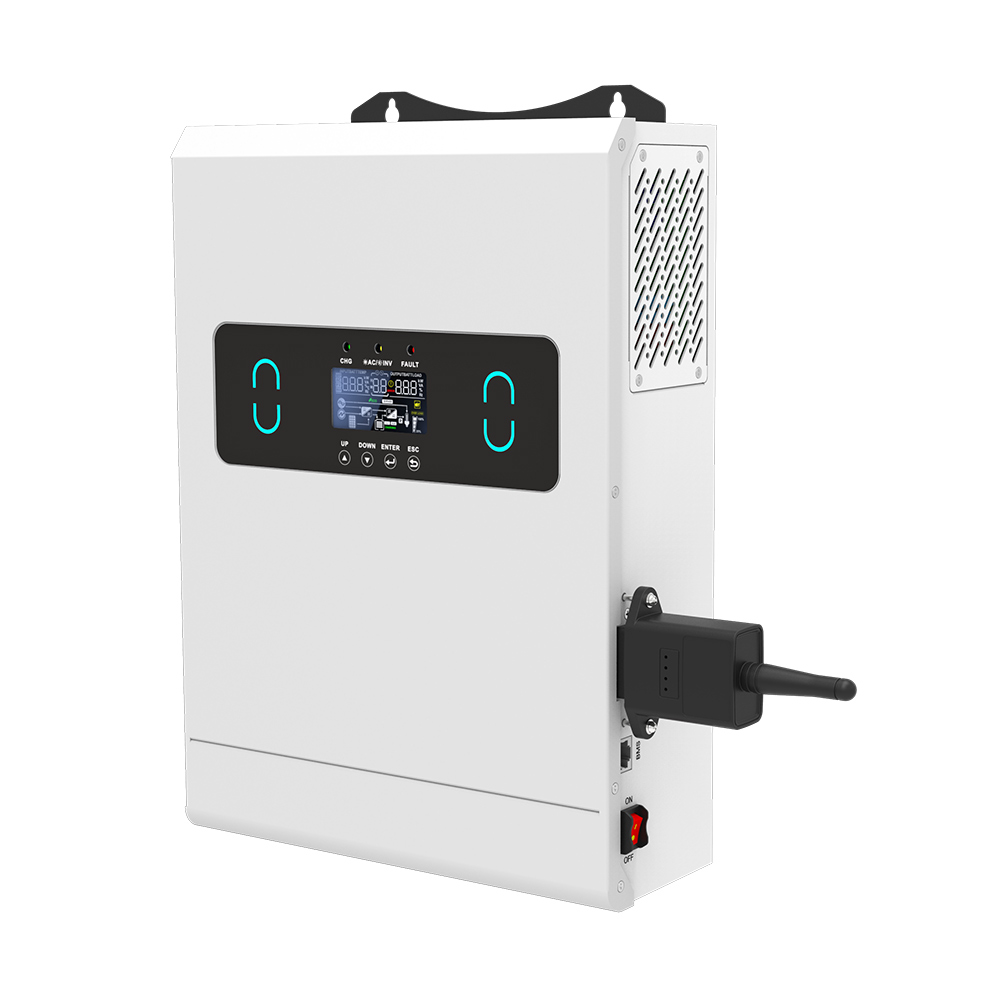
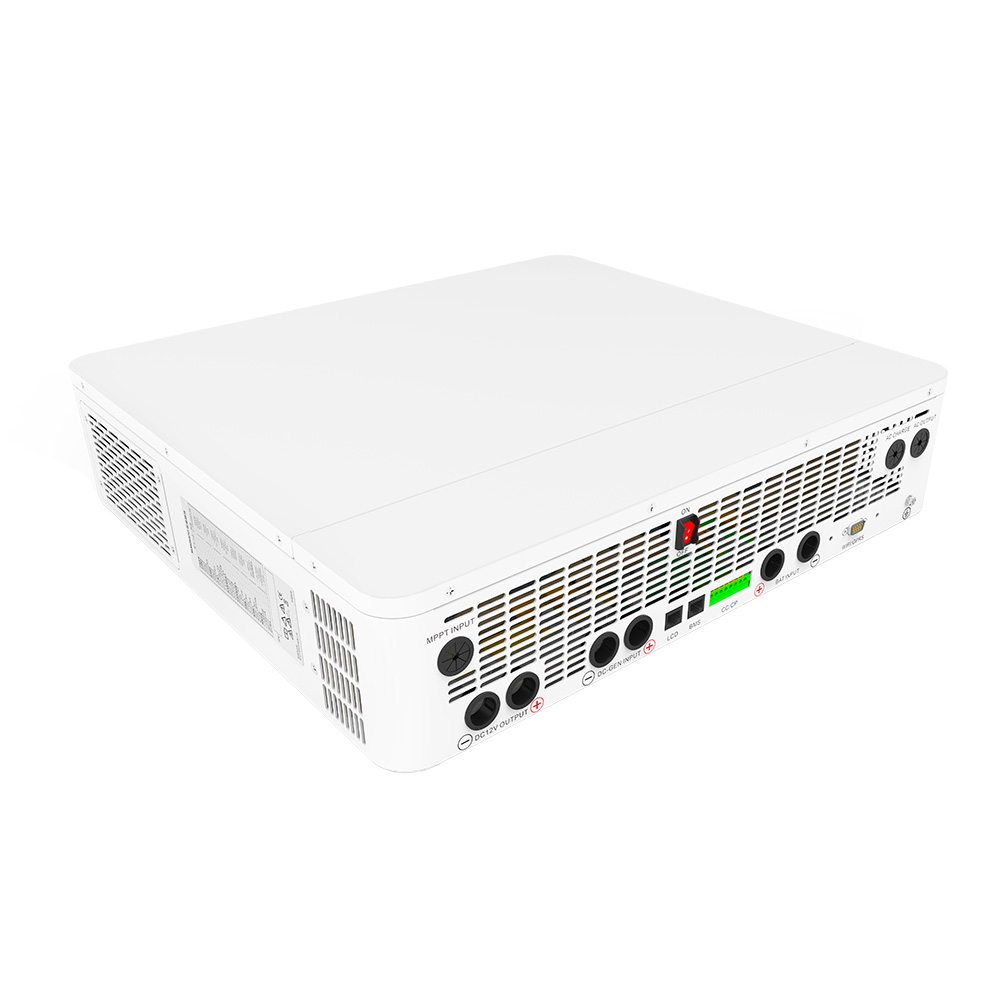
HS SERIES SINGLE PHASE HYBRID INVERTER HS1085EH48L

Single-Phase Hybrid Inverter — HS1085EH48L

  • 8500W rated output, 220/230Vac, pure sine wave

  • 2 MPPT channels, max PV input 7200W + 7200W (90–500Vdc)

  • 48V battery input, compatible with lead-acid, lithium, and gel batteries

  • 10ms typical transfer time, 92% max conversion efficiency

  • Wall-mounted, 10.9kg, RS485/dry contact, optional WiFi/4G

  • CE, RoHS certified

View Product

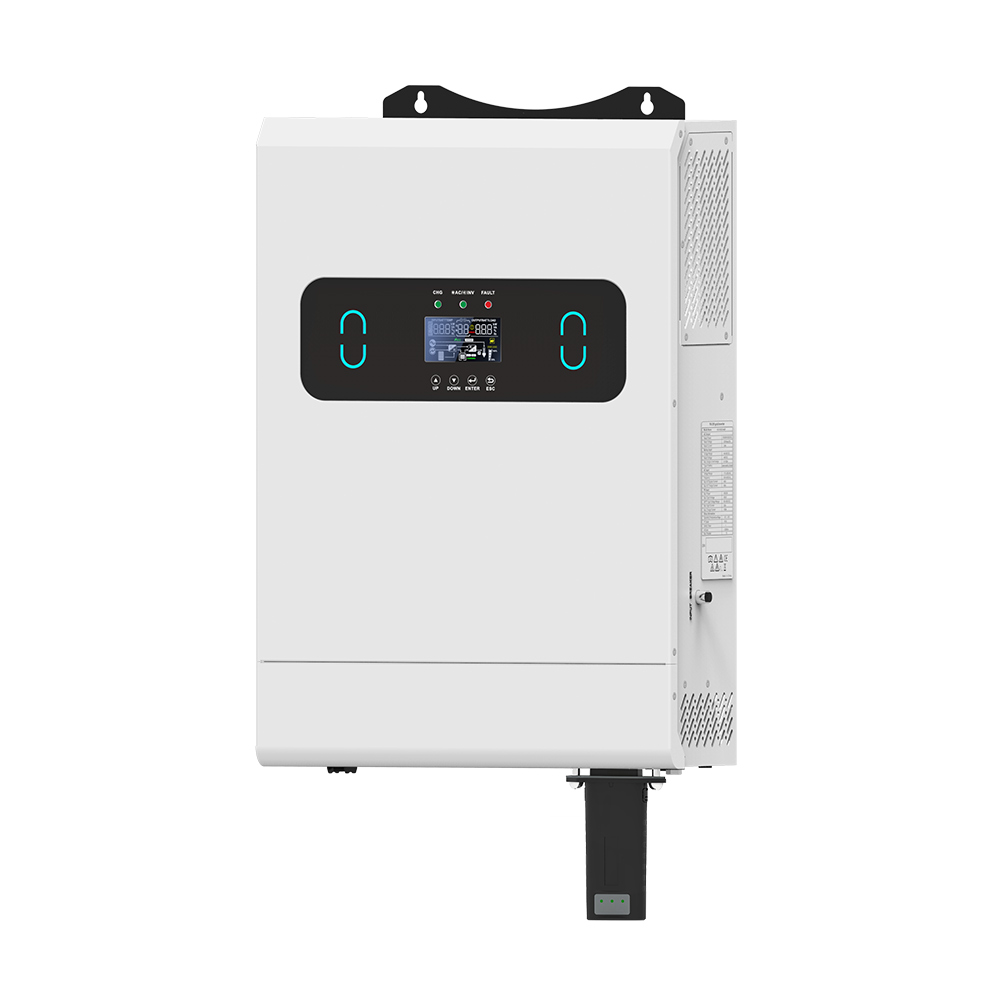
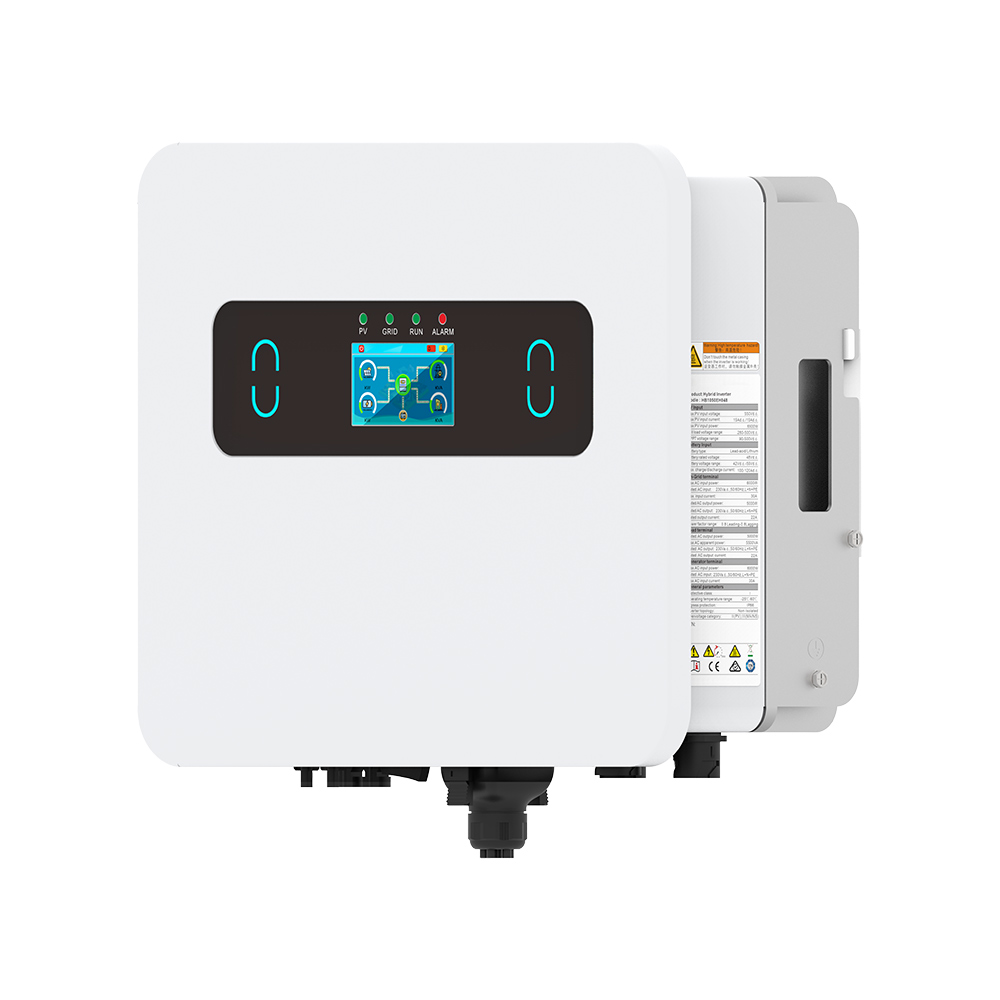
Split-Phase Hybrid Inverter — HB2080UH048~HB2120UH048

  • 8kW–12kW rated grid-connected power across the series

  • 120/240Vac split phase, 208Vac 2/3 phase, or 220/230Vac single phase output

  • 2 MPPT channels, max PV input up to 24,000W on the largest model

  • 97.6% max PV conversion efficiency, ≥99% MPPT efficiency

  • IP66 rated, touch screen + LED display, 5-year standard warranty (10-year optional)

  • FCC, UL1741 certified

View Product
HB2080UH048~HB2120UH048
HS3085EH48L~HS3150EH48L-Photoroom

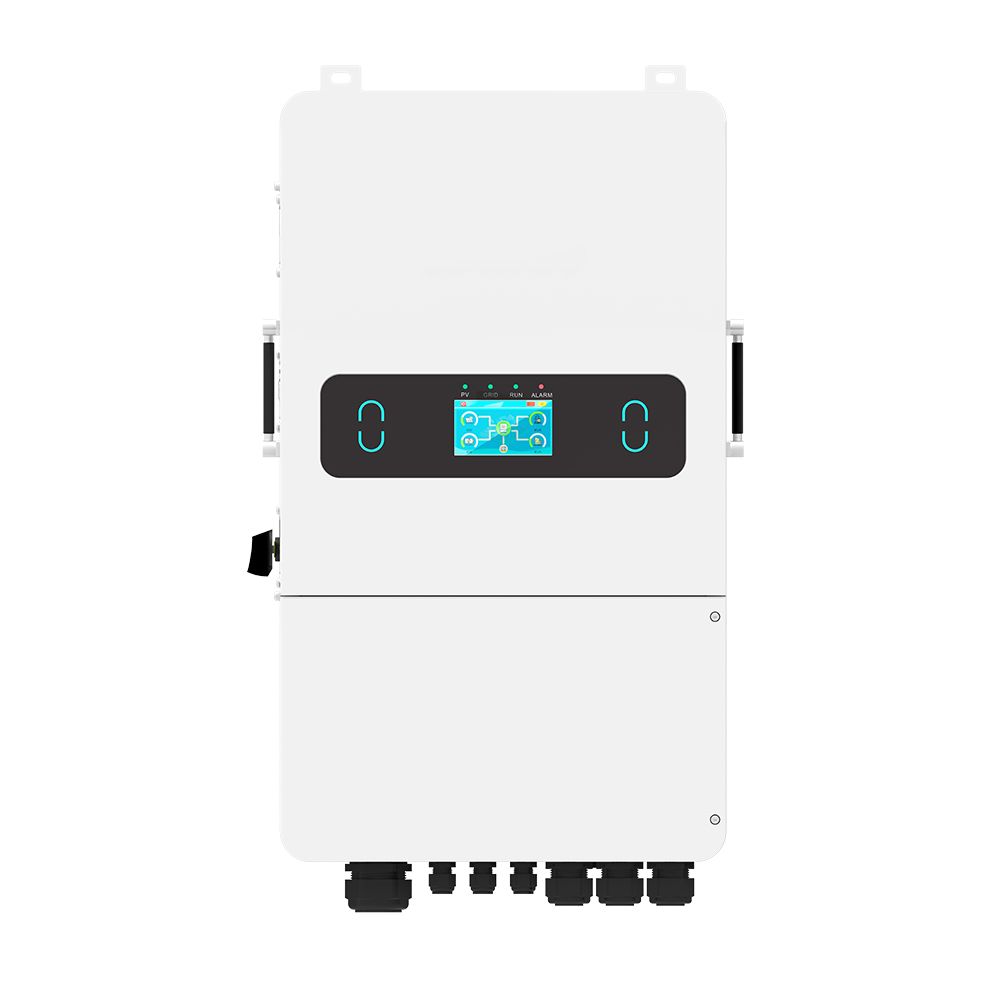
Three-Phase Hybrid Inverter — HS3085EH48L~HS3150EH48L

  • 8500W–15,000W rated output across four models

  • 220/380Vac or 230/400Vac three-phase output, pure sine wave

  • 2 MPPT channels, max PV input 20,000W, MPPT range 90–800Vdc

  • Parallel operation up to 10 units on the "P" variant

  • Wall-mounted, 24kg, touch screen, RS485/CAN, optional WiFi/4G

  • CE, RoHS certified

View Product

Which Hybrid Inverter Fits Your Home?

Series Phase Type Power Range Typical Home
HS Series Single-phase 8.5kW Standard single-phase residential service
HB Series Split-phase 8kW–12kW North American 120/240V split-phase homes
HS3 Series Three-phase 8.5kW–15kW Larger homes and three-phase grid regions

Hybrid Inverters in the Home

37377b11e2d29e8194f53a30f326189e

Bill Reduction, Grid-Tied

A household running AC and EV charging during the day offsets grid draw with solar and stored battery power, cutting peak-rate usage.

Full Off-Grid Independence

Full Off-Grid Independence

A mountain cabin with no utility connection runs lighting, refrigeration, and communications entirely on solar and battery storage.

Stormoutage backup scene

Outage Backup

When the grid drops, the inverter switches to battery power fast enough that critical loads like refrigerators and medical equipment stay on.

Larger Homes, Three-Phase Supply

Larger Homes, Three-Phase Supply

The HS3 series handles higher continuous loads and supports paralleling multiple units for homes on a three-phase grid connection.

Sunohoo Hybrid Inverter Installations

Installation photo 1
Installation photo2
Installation photo3
Installation photo4

Hybrid Inverter — Frequently Asked Questions

Q: What's the difference between a hybrid inverter and a regular solar inverter?
A standard grid-tie inverter only converts solar power for use with the grid and shuts down during an outage. A hybrid inverter adds battery charging and off-grid operation, so it keeps working without the grid.
Q: Do I need a battery to use a hybrid inverter?
No. Sunohoo hybrid inverters can operate on PV and grid power combined without a battery installed, and important loads stay powered through bypass even if the battery is offline.
Q: Which phase type do I need — single, split, or three-phase?
This depends on your home's electrical service, not personal preference. North American homes typically use split-phase (120/240V); many other regions use single-phase or three-phase. Check your existing panel or ask your installer if you're unsure.
Q: What batteries work with a Sunohoo hybrid inverter?
Lead-acid, lithium, and gel batteries are all supported across the range, at a 48V battery voltage with adaptive BMS charging.
Q: How fast does it switch to battery power during an outage?
A typical transfer time of 10ms means the switch is fast enough that most connected electronics won't reset or lose power.
Q: Can Sunohoo customize a hybrid inverter for OEM or bulk orders?
Yes. As a manufacturer, Sunohoo works with distributors and installers on OEM/ODM hybrid inverter orders. Contact us with your target specification and volume for a quote.