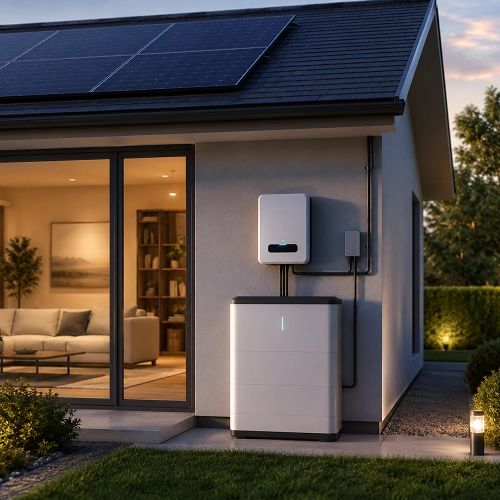
As global energy demand continues to rise and electricity costs become increasingly unpredictable, households are searching for smarter ways to manage and store power. A Household Energy Storage System (HESS) provides an efficient solution by storing electrical energy for use when needed, helping families reduce dependence on the traditional power grid while improving energy reliability.
Modern household energy storage systems are designed to work with solar energy systems, utility power, and backup generators. They allow users to store excess electricity generated during periods of low consumption and use it during peak demand, outages, or emergencies.
For homeowners seeking energy security, reduced electricity costs, and sustainable living, household energy storage technology has become an important investment.
Product Functions and Uses
Household Energy Storage Systems are designed to perform multiple functions beyond simple energy storage. They act as intelligent energy management solutions that support everyday household activities and long-term energy planning.
1. Store Excess Electricity
The system collects and stores unused energy generated by solar panels or received from the utility grid during off-peak periods. Instead of allowing surplus electricity to go unused, it becomes available for later consumption.
Benefits include:
Maximized use of renewable energy
Reduced electricity waste
Lower dependence on external power sources
Improved household energy efficiency
2. Emergency Backup Power
During unexpected power failures, the system can automatically switch to backup mode and continue supplying electricity to important household devices.
Typical backup loads include:
Lighting systems
Refrigerators
Wi-Fi routers
Security systems
Medical equipment
Computers and communication devices
Essential household appliances
This function helps households maintain daily activities even during outages.
3. Peak Shaving and Cost Reduction
Electricity prices often vary throughout the day. The energy storage system can charge when electricity prices are lower and discharge during expensive peak periods.
Advantages include:
Lower monthly electricity bills
Better energy consumption management
Reduced pressure on the utility grid
4. Solar Energy Optimization
For homes equipped with photovoltaic systems, the storage system allows greater self-consumption of solar energy.
Without storage:
Excess solar energy may be sent back to the grid.
With storage:
Extra energy can be saved and used at night or during cloudy weather.
5. Energy Independence
Users can reduce reliance on traditional power networks and create a more self-sufficient household energy ecosystem.
Product Features
Modern household energy storage systems integrate advanced technologies designed for performance, reliability, and user safety.
High-Efficiency Energy Conversion
The system utilizes advanced power conversion technologies to improve charging and discharging efficiency while minimizing energy loss.
Benefits:
Higher energy utilization
Reduced operating costs
Stable power output
Intelligent Battery Management System (BMS)
An integrated Battery Management System continuously monitors battery conditions.
Functions include:
Voltage monitoring
Current monitoring
Temperature monitoring
Cell balancing
Fault detection
Overcharge prevention
Over-discharge protection
The BMS improves safety and extends battery lifespan.
Long Cycle Life
Using advanced battery technology such as LiFePO4 batteries allows the system to operate through thousands of charge and discharge cycles.
Advantages:
Long-term reliability
Lower maintenance costs
Reduced replacement frequency
Modular Design
Many systems support modular expansion.
Users can:
Increase battery capacity
Adapt the system for changing energy needs
Expand residential or commercial applications
Smart Monitoring
Users can monitor system performance through digital interfaces or mobile applications.
Available monitoring information may include:
Battery status
Charge level
Power consumption
Energy production
Historical energy data
System warnings
Multiple Protection Mechanisms
Safety features commonly include:
Short-circuit protection
Over-current protection
Over-voltage protection
Temperature protection
Automatic shutdown functions
Product Specifications
Actual specifications may vary by model and customization requirements.
Typical technical parameters include:
Battery Type
Lithium Iron Phosphate (LiFePO4)
Rated Capacity
Multiple capacity options available
Expandable according to user requirements
Output Voltage
Standard residential voltage configurations
Charging Methods
Solar charging
Utility grid charging
Generator charging
Operating Temperature
Designed for stable performance across a wide temperature range
Communication Interfaces
RS485
CAN communication
Smart monitoring interfaces
Protection Level
Multiple safety protection systems integrated
Installation Type
Wall-mounted
Floor-standing
Stackable modular systems
Battery Cycle Life
Long service life with thousands of charging cycles
User Manual
Proper installation and operation are important for achieving maximum system performance.
Step 1: Installation Preparation
Before installation:
Confirm installation location
Ensure proper ventilation
Verify electrical compatibility
Prepare necessary wiring and accessories
Installation environment recommendations:
Dry environment
Stable temperature conditions
Dust-free location
Avoid direct sunlight exposure
Step 2: System Connection
Connect:
Battery unit
Inverter
Solar panels if applicable
Utility grid input
Household electrical loads
Installation should be performed by qualified personnel.
Step 3: Initial Startup
After completing installation:
Power on the system
Check indicator status
Configure operating parameters
Verify communication settings
Test charging and discharge functions
Step 4: Daily Operation
Users can monitor:
Battery percentage
Input/output power
Energy consumption trends
System alerts
Maintenance Guidelines
Recommended maintenance procedures:
Inspect cable connections regularly
Keep equipment clean
Monitor battery condition
Update software if applicable
Contact technical support when abnormal conditions occur
Applicable Industries
Although designed primarily for residential use, household energy storage systems can support multiple industries and application environments.
Residential Sector
Applications include:
Single-family homes
Apartments
Villas
Smart homes
Commercial Buildings
Businesses can use storage systems for:
Energy cost reduction
Backup power
Load balancing
Small and Medium Enterprises
Suitable for:
Offices
Retail stores
Service businesses
Workshops
Renewable Energy Projects
Supports:
Solar energy systems
Hybrid energy projects
Distributed energy systems
Remote Areas
Can provide stable power for:
Rural communities
Remote facilities
Off-grid installations
Telecommunications Infrastructure
Provides emergency and backup energy support for:
Communication stations
Monitoring systems
Network equipment
Target Customers
Household Energy Storage Systems can serve a broad range of customer groups.
Homeowners
Ideal for individuals seeking:
Lower electricity bills
Energy independence
Backup power reliability
Solar System Users
Suitable for households that already use solar power and want to maximize energy utilization.
Environmentally Conscious Consumers
Users focused on reducing carbon emissions and supporting clean energy initiatives.
Property Developers
Developers building smart communities and energy-efficient housing projects can integrate storage systems into new construction designs.
Small Business Owners
Businesses requiring uninterrupted power supply and lower operational costs can benefit significantly.
Remote Area Users
Families and facilities in regions with unstable power infrastructure can improve reliability with local energy storage.
Household Energy Storage Systems are transforming the way homes and businesses manage electricity. By combining intelligent energy management, advanced battery technology, reliable backup capabilities, and renewable energy integration, these systems provide users with greater control over their energy usage.
As energy costs continue to evolve and demand for sustainable solutions increases, household energy storage technology offers an effective pathway toward efficiency, resilience, and long-term energy independence.